Mastering the Art of Illumination: The Rise of the Realistic Light Effect Spotlight Lamp
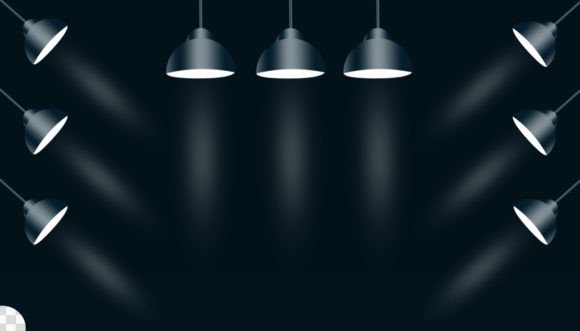
In the rapidly evolving landscape of digital design, product photography, and immersive marketing, the boundary between physical reality and digital simulation is becoming increasingly porous. At the forefront of this convergence is a specific tool that has transformed how professionals approach visual storytelling: the Realistic Light Effect Spotlight Lamp. Far more than a simple graphic asset or a decorative prop, this element represents a critical shift in how creators, entrepreneurs, and marketers construct value through imagery. Whether utilized as a high-fidelity Photoshop File for post-production enhancement or rendered as a photorealistic Jpg File for immediate deployment, the spotlight lamp serves as a beacon of attention in an overcrowded visual economy.
Redefining Visual Hierarchy Through Digital Lighting
To understand the impact of the Realistic Light Effect Spotlight Lamp, one must first appreciate the fundamental role of lighting in human perception. In both cinema and photography, light dictates mood, directs the eye, and establishes depth. When translated into the digital realm, these principles remain paramount. A realistic light effect is not merely about adding brightness; it is about simulating the physics of light—diffusion, falloff, reflection, and shadow—to create a sense of tangible presence.
For professionals working in e-commerce, architecture visualization, or advertising, the ability to manipulate light without expensive studio setups is a game-changer. The Realistic Light Effect Spotlight Lamp offers a solution that bridges the gap between flat, two-dimensional graphics and three-dimensional realism. By integrating these assets into workflows, designers can instantly elevate a standard product shot into a premium showcase. This capability allows freelancers and agencies to deliver high-end results with greater efficiency, reducing the time spent on complex rendering while maintaining the integrity of the visual narrative.
The Technical Evolution: From Static Overlays to Dynamic Simulations
The evolution of these lighting assets reflects broader technological advancements in computer graphics and image processing. Early attempts at digital lighting often relied on static overlays that lacked depth or failed to interact naturally with the subject. Today's iterations are far more sophisticated. A modern Realistic Light Effect Spotlight Lamp illustration is designed with layers, blending modes, and alpha channels that allow for seamless integration into various environments.
When a designer downloads a high-quality Photoshop File, they are accessing a toolkit that includes adjustable parameters. They can modify the angle of the beam, the intensity of the glow, and the color temperature to match the ambient conditions of their scene. This flexibility is crucial for adapting to changing brand guidelines or seasonal campaigns. Furthermore, the availability of these assets as optimized Jpg Files ensures compatibility across different platforms, from high-resolution web banners to mobile-first social media stories, without compromising on visual fidelity.
Market Trends and the Demand for Authenticity
Why are professionals paying such close attention to this specific type of visual asset? The answer lies in a shifting consumer expectation known as "visual authenticity." In an era saturated with AI-generated content and generic stock imagery, audiences have developed a keen eye for the artificial. They crave images that feel grounded in reality, even when those images are digitally constructed. The Realistic Light Effect Spotlight Lamp meets this demand by providing a level of detail that mimics real-world optics.
This trend is particularly evident in the luxury goods and technology sectors. Brands selling high-value items rely heavily on the perception of quality, which is often conveyed through lighting. A poorly lit product image suggests a lack of care, whereas a strategically placed spotlight implies exclusivity and craftsmanship. Entrepreneurs leveraging these assets can effectively communicate the premium nature of their offerings without the need for elaborate physical sets. This democratization of high-end aesthetics allows small businesses to compete visually with established market leaders.
Workflow Efficiency in the Age of Remote Collaboration
Beyond aesthetics, the adoption of realistic lighting assets is driven by practical workflow necessities. As teams become more distributed and remote, the ability to share standardized, high-quality visual elements is essential. A shared library of Realistic Light Effect Spotlight Lamp files ensures consistency across all marketing materials, regardless of who is creating them or where they are located.
Consider a scenario where a marketing team needs to launch a global campaign within a tight deadline. Instead of scheduling multiple photo shoots or waiting days for 3D renders, the team can utilize pre-made lighting effects. These assets streamline the production process, allowing creatives to focus on strategy and composition rather than technical execution. This efficiency translates directly to cost savings and faster time-to-market, key metrics for any business operating in a competitive environment.
Strategic Applications Across Industries
The versatility of the Realistic Light Effect Spotlight Lamp extends across a wide array of industries, each utilizing the tool to solve unique challenges. In the realm of interior design and real estate, these assets are used to highlight architectural features or furniture in virtual staging. By applying a realistic spotlight effect, agents can draw attention to specific amenities, making properties appear more inviting and spacious.
In the fashion industry, lighting is the primary tool for defining texture and silhouette. Designers use these digital lamps to simulate runway lighting or studio strobes, ensuring that fabrics look rich and garments drape correctly in promotional materials. Similarly, in the gaming and entertainment sectors, these effects are integral to creating atmospheric environments. Whether it is a dramatic reveal in a trailer or a subtle accent in a user interface, the Realistic Light Effect Spotlight Lamp adds a layer of polish that enhances user engagement.
- E-Commerce: Enhancing product visibility and click-through rates by isolating items against dark backgrounds with focused illumination.
- Architecture: Simulating natural and artificial light sources to help clients visualize spaces before construction begins.
- Event Marketing: Creating dynamic promotional posters that capture the energy and atmosphere of live events.
- Social Media: Generating scroll-stopping content that stands out in crowded feeds through high-contrast lighting techniques.
Changing Preferences and the Future of Visual Content
As we look toward the future, the relevance of tools like the Realistic Light Effect Spotlight Lamp is poised to grow. The increasing sophistication of display technologies, from OLED screens to VR headsets, demands higher quality content. Audiences are no longer satisfied with flat, evenly lit images; they expect depth, drama, and emotion. This shift necessitates a deeper understanding of light as a narrative device.
Furthermore, the rise of augmented reality (AR) and mixed reality experiences means that digital lighting must interact seamlessly with the physical world. Assets that can be easily adapted for these emerging platforms will become invaluable. The transition from static Jpg Files to interactive, layered formats will continue, but the core principle remains the same: the need for realistic, compelling illumination.
Creators and marketers who embrace this evolution will find themselves better equipped to tell stories that resonate. By mastering the use of the Realistic Light Effect Spotlight Lamp, they can craft visuals that do not just inform but inspire. This tool represents more than a technical resource; it is a catalyst for innovation in how we perceive and present our work in the digital age.
Integrating Lighting into Brand Identity
Ultimately, the strategic use of lighting becomes part of a brand's identity. Just as a logo or color palette defines a company, the way light is used in its imagery can convey values such as transparency, innovation, or warmth. Consistent application of the Realistic Light Effect Spotlight Lamp across various touchpoints reinforces these associations, building a cohesive and memorable brand experience.
For the modern professional, staying ahead of these trends requires a willingness to experiment and adapt. It involves understanding not just the software capabilities, but the psychological impact of light on the viewer. Whether you are a freelance photographer, a corporate marketer, or an independent entrepreneur, incorporating realistic lighting effects into your toolkit is no longer optional—it is essential for standing out in a visually driven world.
As the lines between the physical and digital continue to blur, the tools we use to bridge that gap become increasingly important. The Realistic Light Effect Spotlight Lamp stands as a testament to this progress, offering a powerful means to shape perception, drive engagement, and create lasting impressions. By leveraging these assets effectively, creators can ensure their work shines brightly, capturing the attention of audiences wherever they may be.